


FTMO Challenge Secrets: How Professional Traders Pass on the First Try
FTMO Challenge Secrets: How Professional Traders Pass on the First Try

Table of Contents
Understanding FTMO Requirements
I've passed more FTMO challenges than I can count at this point. And you know what? Every single time, I go back to the fundamentals first. The requirements. Because honestly, so many traders blow their accounts simply because they didn't bother reading the rules properly.
FTMO isn't trying to trick you. They're looking for disciplined traders who can manage real capital without doing something stupid. That's it. When I first attempted their challenge back in 2021, I thought I knew everything. Spoiler alert: I didn't.
Phase One Requirements
- Profit target: 10% of starting balance
- Maximum daily loss: 5% of starting balance
- Maximum overall loss: 10% of starting balance
- Minimum trading days: 4 days (previously 10)
- Time limit: 30 days (unlimited on some account types)

Phase Two Requirements
- Profit target: 5% of starting balance
- Maximum daily loss: 5% of starting balance
- Maximum overall loss: 10% of starting balance
- Minimum trading days: 4 days
- Time limit: 60 days (unlimited on some account types)
Here's the thing. These numbers look straightforward on paper. 10% profit, don't lose more than 5% in a day, don't lose more than 10% total. Easy, right?
Wrong. The challenge isn't about hitting home runs. I learned this the hard way. You don't need to be a hero. You need to be boring. Consistent. Like watching paint dry. That's actually the secret nobody tells you.
FTMO Success Statistics
Here's something interesting I've noticed over the years. About 75% of traders who pass Phase One also pass Phase Two. Makes sense when you think about it. The discipline you build in Phase One carries over. The skills transfer. This is why I always tell people: focus on building the right habits from day one.
The 4 day minimum changed everything for me. Back when it was 10 days, you had to spread your risk out. Now? You can be more strategic. More aggressive if you want to be. I typically aim to finish in about 7–10 trading days, but I've seen pros knock it out in 4 or 5 when conditions are right.
Understanding Drawdown Calculations
This tripped me up my first time. FTMO calculates your drawdown from your highest equity point, not your starting balance. So if you're up 3%, you've basically given yourself extra breathing room. Smart traders use this. They build a cushion early so they can trade more comfortably later.
Oh, and one more thing. FTMO changes their rules sometimes. I've seen traders fail because they were trading with old information. Before every single evaluation, I pull up the current rules and read them fresh. Takes 5 minutes. Saves you from disaster.
Look, passing the evaluation and making money on a funded account are two different skills. The evaluation rewards short term consistency. Funded trading is a marathon. You need both skill sets. I've met traders who crushed the evaluation but couldn't make it work on the funded side. Keep that in mind as you're developing your approach.
Phase One Strategy
10% sounds scary. I remember staring at that number thinking there's no way I can do this without taking massive risks. But then I did the math. And the math changed everything for me.
Daily Profit Targets
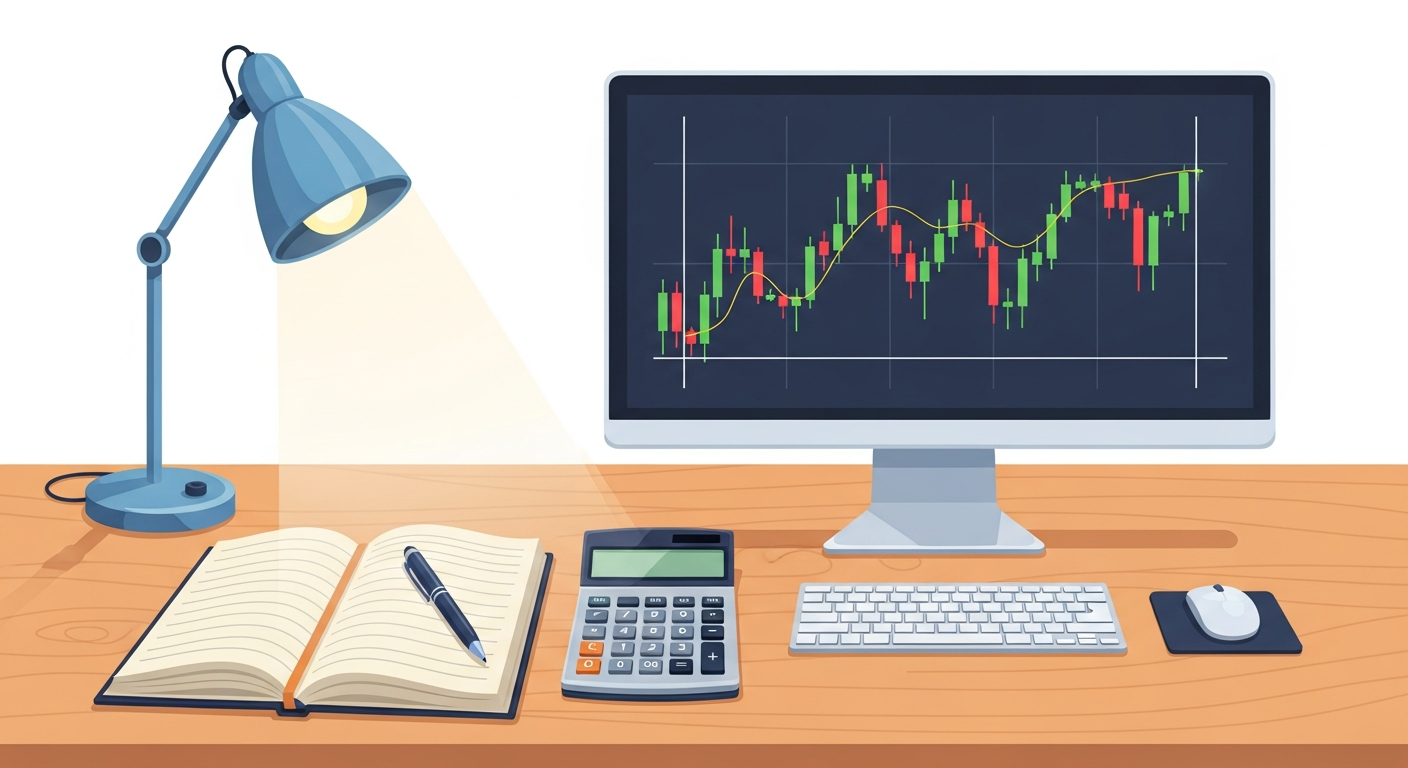
Stop thinking about 10%. Seriously. Think about 1–2% per day. Over 5–10 trading days, that's totally achievable without being reckless. When I reframed it this way, my whole approach shifted. Suddenly I wasn't chasing. I was just hitting singles.
Trade Selection Criteria
I'm picky. Really picky. My trading buddies used to tease me about it. But you know what? I pass challenges and they don't. Here's what I look for before entering any trade:
- Multiple timeframe confirmation
- Clear support or resistance levels
- Defined risk to reward of at least 1:2
- No major news events within the trade window
Position Sizing Protocol
This is where most people screw up. They risk way too much per trade. I never risk more than 1–1.5%. On a $100,000 account, that's $1,000 to $1,500 max. This way, even if I have 3 bad trades in a row, I'm still in the game.
Professional services that specialize in mypropfirmpassingservice.com are even more conservative. Many of them risk under 1% because their whole business depends on passing. That should tell you something.
Pro Tip: Early Momentum
I always try to get 3–4% ahead in my first week. It completely changes the psychology of the rest of the evaluation. You stop feeling desperate. You start trading from a position of strength instead of fear. Trust me on this one.
Phase Two Approach
Phase Two should be easier. Only 5% profit target. Same drawdown rules. More time to do it. But here's the weird thing: I've seen so many traders pass Phase One and then choke in Phase Two. The psychology is different.

Adjusted Expectations
You don't need to force anything in Phase Two. You've got 60 days. That's a lot of time. I become extremely selective here. If the setup isn't perfect, I don't take it. Period. Why risk it when you've got 2 months?
Reduced Position Sizes
I actually drop my risk per trade down to 0.75–1% in Phase Two. Sounds overcautious, but think about it. You only need half the profit. Why take the same risk? Slow and steady wins this race.
Profit Protection Focus
Once I'm up 3% in Phase Two, I shift gears completely. Now I'm protecting capital, not hunting for more. I might reduce my position sizes even further. Skip borderline setups. The goal becomes not messing up what I've already built.
The pros at propfirmpassingservice typically finish Phase Two in 4 to 6 trading days. That's not because they're taking crazy risks. It's because they're executing with precision on only the best setups. There's a lesson in that.
Phase Two Psychology
Here's something I had to learn the hard way. You've already invested time and effort in Phase One. There's this fear of losing all that progress. It messes with your head. I treat Phase Two as a completely fresh start now. Mentally reset. Forget what came before. It helps enormously.
The extended timeframe is your friend. Use it. I've had Phase Two evaluations where I only traded like 8 times total because I was waiting for the absolute best setups. One great trade can do what 5 mediocre trades might accomplish, with way less risk.
Also, know exactly when Phase Two starts and ends. Understand how they calculate profits. I've seen people confused about this stuff and it led to mistakes. Keep clear records. Verify everything before you start trading.
Risk Management Secrets
Honestly? This is the whole game. Risk management separates the people who pass consistently from the ones who get lucky once and then blow up. I'm going to share exactly what I do.
The 2 Percent Rule
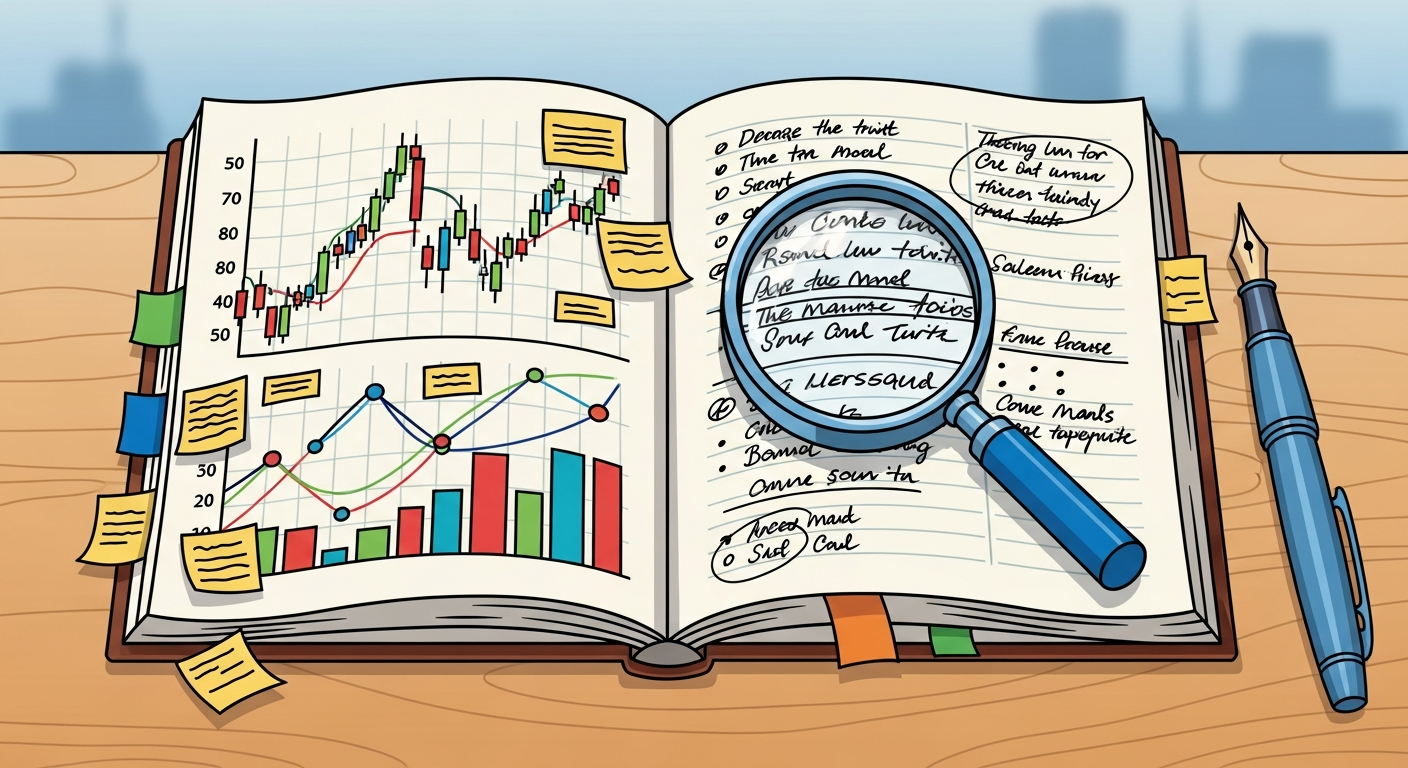
I never have more than 2% of the account at risk at any given moment. Total. If I've got two positions open, their combined risk can't exceed 2%. This isn't optional for me. It's a hard rule.
Daily Loss Circuit Breaker
FTMO says 5% daily loss kills you. So guess what? My personal limit is 2–3%. If I'm down that much in a day, I'm done. Laptop closed. Walk away. Trading more after losses just makes things worse. I've learned this lesson too many times.
Correlation Awareness
Here's a rookie mistake I used to make. Being long EUR/USD and GBP/USD at the same time. That's basically doubling your dollar short exposure. If the dollar spikes, both positions blow up together. Now I pick the single best opportunity when pairs are correlated.
Weekend Position Closure
I close everything before Friday close. Everything. The gap risk on Sunday open is not worth it. I've seen accounts get violated before traders even woke up Monday morning. Don't let that be you.
The Risk Management Hierarchy
In my head, there's a clear order of priorities. Account preservation comes first. Then daily limit protection. Then protecting individual positions. Profit optimization is actually last. When I have to make fast decisions, this hierarchy kicks in automatically. It's saved me countless times.

I keep a spreadsheet open whenever I'm trading. It tracks my daily exposure, cumulative risk, and how far I am from any violation thresholds. Sounds nerdy. It is. But that real time awareness prevents nasty surprises.
Before I enter any trade, I already know exactly what happens in the worst case. What if my stop gets hit? What if there's slippage? What if there's a gap through my stop? I plan for all of it. Conservative positioning means I can handle bad scenarios without blowing up.
Risk Calculation Example
Let me walk you through my thinking before a EUR/USD trade on a $100,000 account. My equity is $102,000 so I'm up 2%. Daily loss limit is $5,000 from that high point. I'm already up $500 today, so I've got $5,500 of risk capacity left. Based on that, I calculate my position size to keep risk well within limits. Every single time.
For more risk management insights, explore our dedicated article on
Optimal Session Timing
When you trade matters. A lot. I've tried trading all hours and I can tell you from experience, certain times just work better. Let me share what I've figured out.
London Session Focus
London session is my bread and butter. 7:00 AM to 4:00 PM GMT. The liquidity is there. The moves are cleaner. Technical setups actually work. If you're trading forex, this is prime time and you should treat it that way.
New York Overlap
The best 4 hours? When London and New York overlap. 12:00 PM to 4:00 PM GMT. Both markets are awake. Liquidity is at its peak. I've made some of my best trades during this window. It's when I'm most focused and alert.
Avoiding Low Liquidity Periods
Asian session? Late New York? I mostly stay away unless I'm specifically trading yen pairs. The price action gets choppy. Weird moves happen. It's not worth the headache during an evaluation when I've got plenty of good opportunities elsewhere.
Session Tip
I limit myself to 3 to 4 hours of actual trading per day. That's it. After that, fatigue sets in and I make dumb mistakes. Keeping sessions short keeps me sharp. Quality over quantity, always.
Your timezone matters too. I know traders who tried forcing themselves to trade London session while living in California. They were exhausted and their results showed it. Trade when you're naturally awake and energized. Match your schedule to your biology.
Different currency pairs behave differently at different times. Yen pairs move during Asian session. Euro pairs move during London. Know your instruments. Study when they're most active and most predictable. This homework pays off.
Session Quality Assessment
Before I start trading each day, I check conditions. Any holidays that might affect volume? Big news releases coming? Unusual market behavior? If something feels off, I sit on my hands. Trading during weird conditions just adds risk without adding reward.
Avoiding Common Traps
I've fallen into every single one of these traps. Some of them multiple times before I finally learned. Let me save you the pain and the blown evaluations.
The Early Success Trap
This one got me bad. You get 5% ahead in the first few days and you feel invincible. So you start taking bigger positions. Taking trades you'd normally skip. Next thing you know, all those gains are gone. Stay humble. Stay disciplined. The rules don't change just because you're winning.
The Recovery Trap
After a losing day, there's this voice in your head saying "just make it back." Don't listen to that voice. It's lying to you. When I'm down significantly, I close everything and walk away. Tomorrow is a new day. Revenge trading never works.
The Time Pressure Trap
Day 25 of your 30 day evaluation and you're still 4% short of target. The temptation to force trades is overwhelming. I've been there. But forcing trades almost never works. Sometimes you have to accept that this isn't your evaluation and try again fresh. That's hard to hear, but it's true.
The News Event Trap
NFP coming up? Fed announcement? Your brain says "this is my chance for a big move." No. Stop. News trading during evaluations is gambling. The slippage is brutal. The whipsaws are random. I've seen accounts blown in minutes during news events. Just sit it out.
Trap Avoidance Checklist
Every single session, I ask myself 3 questions. Am I trading from strength or desperation? Am I following my plan or reacting emotionally? Do I know what news is scheduled today? Takes 30 seconds. Catches most of these traps before I fall into them.
The Professional Edge
So why do the pros pass at such insane rates? I've studied this. I've talked to traders at these services. I've tried to reverse engineer their success. Here's what separates them from everyone else.
Emotional Detachment
For them, it's just another day at the office. They don't feel the highs when trades work. They don't panic when trades fail. It's boring. Mechanical. And that's exactly why it works. Emotions are the enemy in trading.
Refined Strategies
These folks have passed hundreds of evaluations. They know exactly what works on FTMO. What setups perform best. What conditions to avoid. Years of experience compressed into systematic approaches. You can't shortcut that kind of refinement.
Risk Management Systems
Professional services use actual systems to prevent violations. Not willpower. Systems. Position sizing calculated automatically. Alerts that trigger before any limit gets close. It takes human error out of the equation.